

Social Studies at KENSRI

At KENSRI, Social Studies is more than a subject — it’s a journey of understanding the world. Integrated within our SAAL Framework (Scholar, Athlete, Artist, Leader), Social Studies empowers students to become informed, ethical, and active citizens who can think critically and act responsibly.

Through the interdisciplinary study of history, geography, civics, and economics, students learn to appreciate cultural diversity, understand societal structures, and recognize how local actions connect to global impact.
Social Studies

Our Objective

Curriculum Focus by Grade Group

Pre-Primary

  •  

Primary

  • Understanding family, community, and local history
  • Developing basic map skills and global awareness
  • Introducing civic roles within school and neighborhood settings

Secondary

  • Exploration of Indian and World History timelines
  • Study of geography, natural resources, and global systems
  • Introduction to civic duties, the Indian constitution, and governance
  • Foundation of simple economics and community projects

Higher Secondary

  • Advanced Indian History, World Wars, revolutions, and civilizations
  • Political Science: democracy, governance, legal systems
  • Economics: markets, budgeting, GDP, and sustainability
  • Emphasis on case studies, research projects, and Model Parliaments

GURU SHISYA PARAMPARA (Our Methodology)

  • Experiential learning through field trips, museum visits, and civic events
  • Interactive activities like MOCK United Nations, MOOT ICJ, role plays, and simulations
  • Use of digital tools: online maps, documentaries, timeline-building software
  • Interdisciplinary integration with language arts, drama, and current events

RAP: Review, Apply & Prepare

  • Continuous evaluation through quizzes, map work, role plays, and group discussions
  • Summative assessments based on written tests and creative project submissions
  • Focused assessment of students’ skills in critical thinking, historical interpretation, and presentation abilities

Project based learning​

  • Heritage Day celebrations and cultural exhibitions
  • Nation-building role plays and awareness drives
  • MUN (Model United Nations) and Youth Parliament sessions
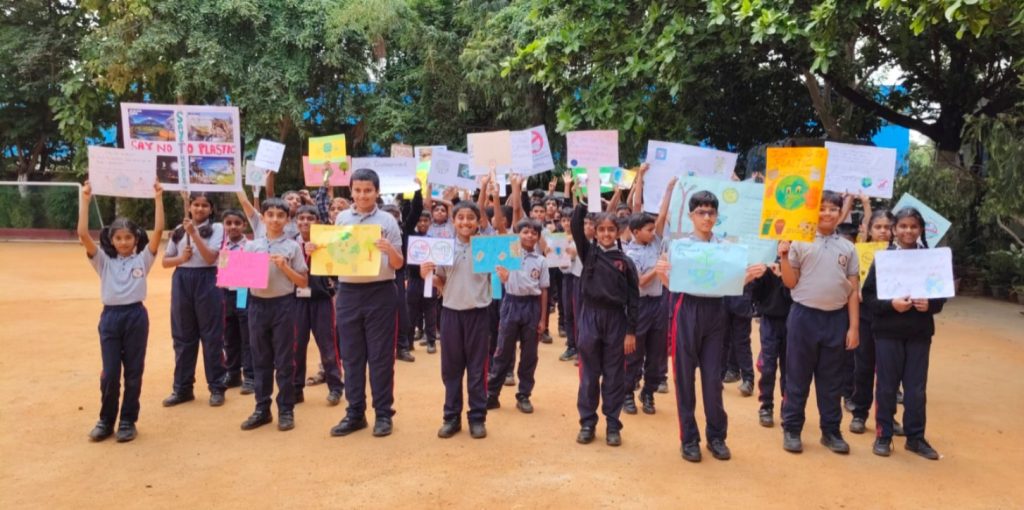
  • Poster-making competitions on social, environmental, and civic themes
  • Research presentations on historical events, civic rights, and global challenges

OUTCOME & OUTPUT

  • Informed, ethical citizens who understand their role in local and global communities
  • Rational thinkers capable of analyzing history, evaluating policies, and making ethical decisions
  • Young leaders who value India’s heritage while embracing global perspectives
  • Responsible members of society, prepared to contribute to sustainable, democratic communities